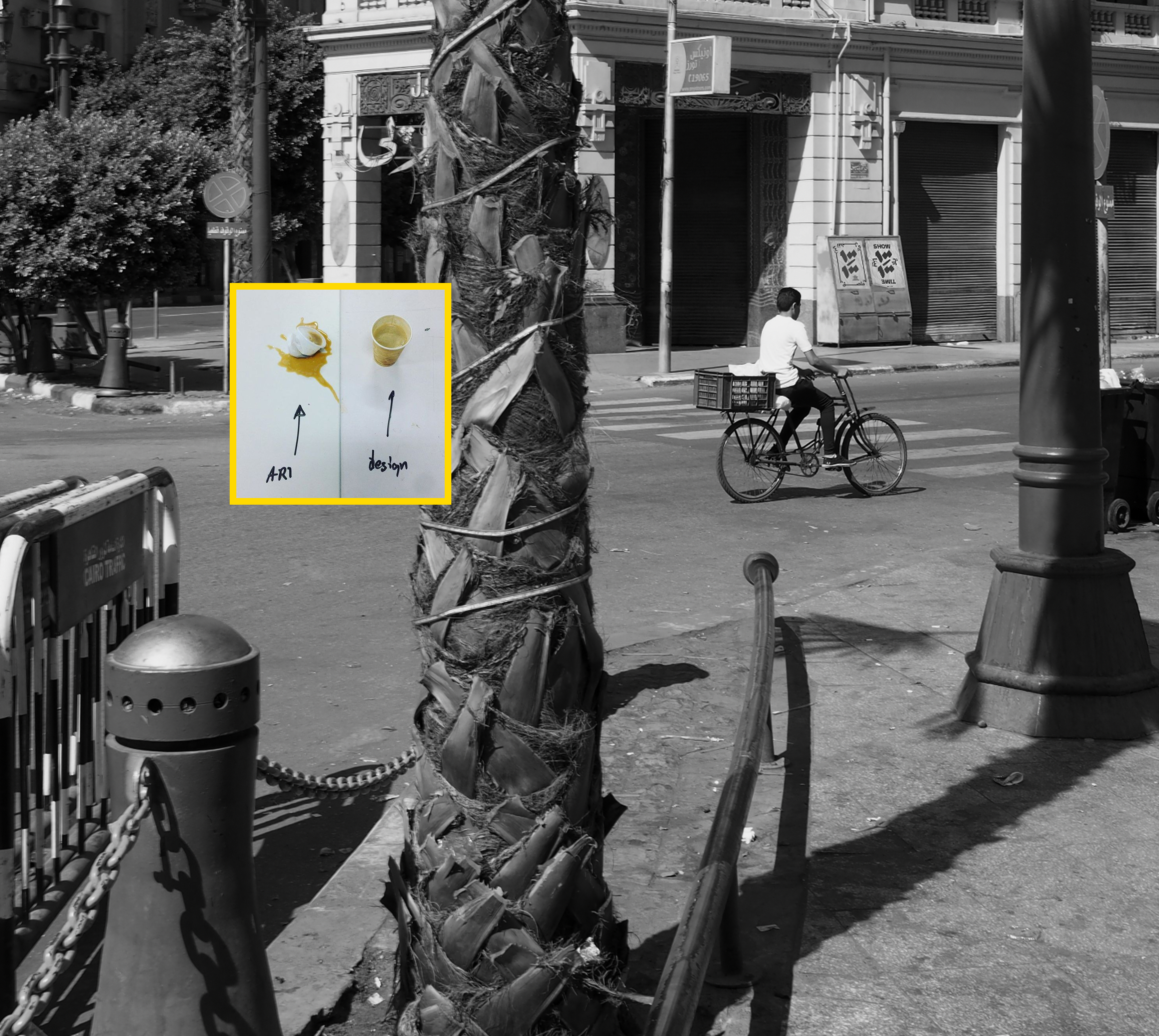
text: darius gondor, consultation by matthias tratz. photos: darius gondor
translation german into english by tanya quientieri
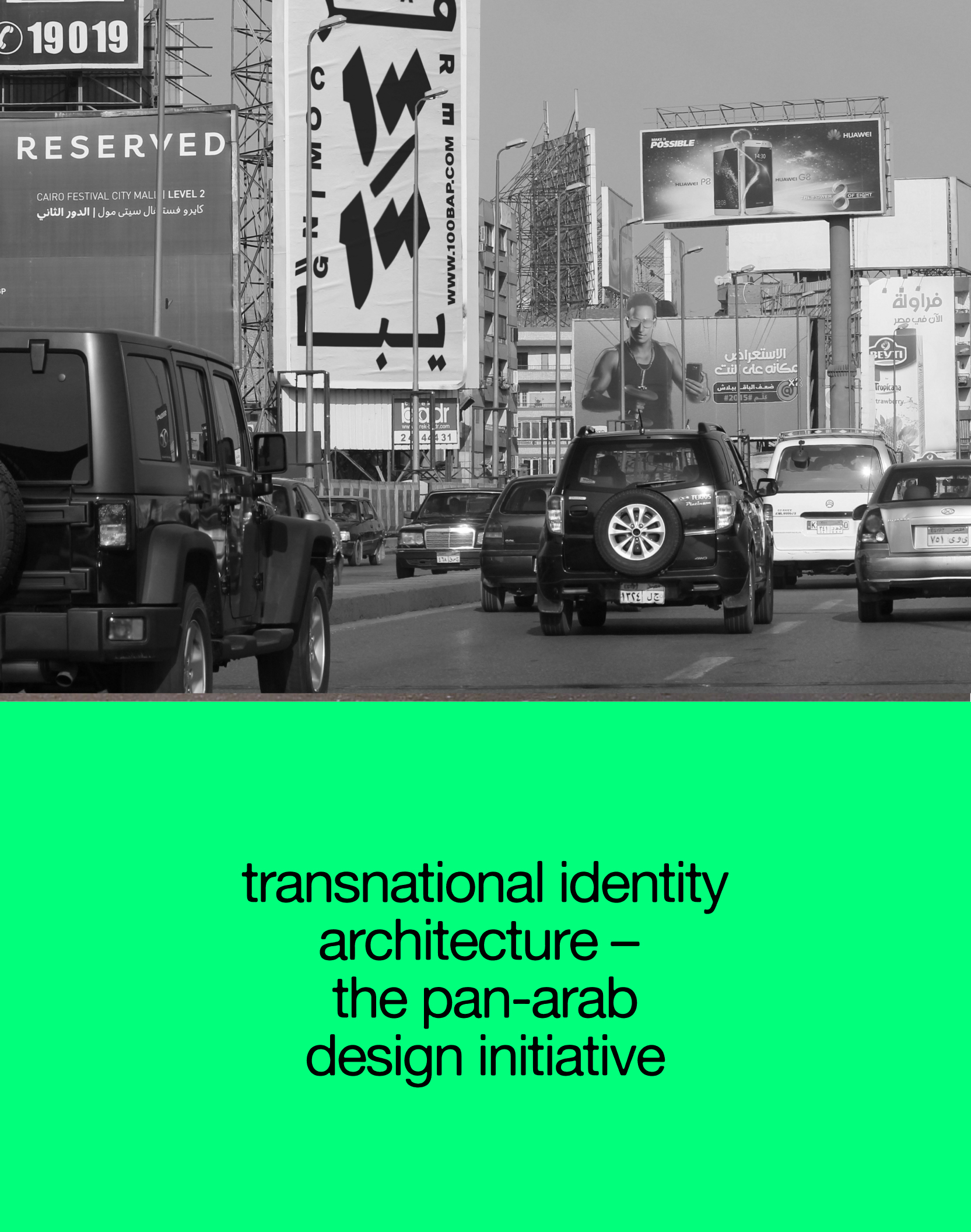
in high-density urban environments, visual communication serves as a fundamental structural element rather than mere decoration. the poster acts as a primary visual steering mechanism, actively shaping public perception, conveying complex societal values, and establishing urban identity. it is a critical interface where cultural paradigms and modern life intersect.
in stark contrast to purely interpretive and subjective art, this manifesto defines visual design as a rigorous intellectual craft. to establish an objective standard of quality, we systematically apply the classical principles of rhetoric—logos (reason and content), ethos (credibility and representation), and pathos (emotion and value)—to modern visual variables such as typography, proportions, and visual archetypes.
this methodological framework provides a precise analytical instrument to decode sociological codes within public spaces. by treating visual communication as a strategically governed discipline, it becomes possible to move beyond subjective conjecture. this approach transforms the poster from a simple medium of information brokerage into a measurable, precise instrument for governing urban identity and fostering a constructive discourse on visual mastery.
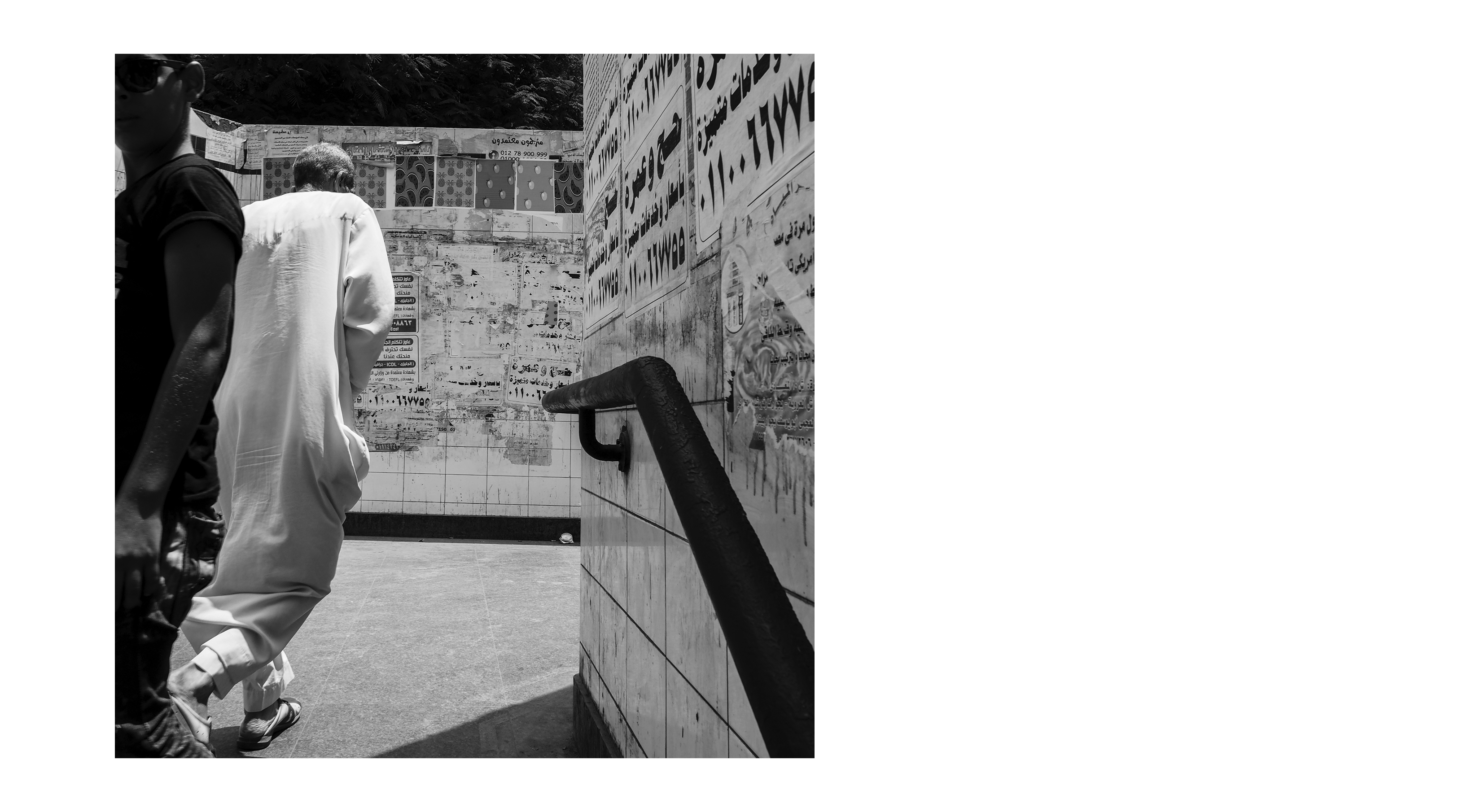
posters are media means in urban space. thus towns and areas of high population density cohabit similar or different cultures. these areas are fundamental for our modern life today. cultural values, views, opinions and rules conciliate in various ways. the most lasting variant to provide long term content is to carve it in stone. still today we can witness the masterpieces of egyptian kings in reliefs and monuments. such art represents the most important components of a culture. it focuses on preserving their values for posterity. a contemporary mean of communication in urban areas is the poster. it refers to topical and current issues. in their myriad forms, posters characterize the urban space. they give instructions and opinions, create incentives or provide information. as cultural quirks are influenced by visual parameters, content and quality standards are paramount.
when talking about posters, one is confronted with the challenge of speaking about something general on one hand, and something very specific on the other. a poster, in general, is a two-dimensional graphical surface. through the combination of typography, imagery and forms it becomes manifested as a visual means. the result is an intersection with art, which relies on the same or similar techniques and representations. we must therefore differentiate the term art. for the longest time, art was the technical and experimental pioneering instrument of the sciences. according to its previous use in illustrations of what was either real or imaginary, the role of art became the means to fathom perception, questioning life and society itself. modernism questions the benefits of art, which legitimated itself with the relation to morality or humanity and moved on to form a tense relationship with philosophy. contemporary art no longer holds the central role of controlling the visual culture. also, access to it has become more complex and often can only be understood through the recourse to the theory of art. it has become an intellectual or elitist game, which can primarily only be understood through art history and its characteristics—being all about interpretation. viewed like this, art is also subject to the cultural industry.
therefore, posters, as part of visual communications, base on certain rules and clearer objectives. they span between pure and sober information brokerage and artful and empathetic representation. for a better understanding, we can draw on the principles of rhetoric. this technique of oratory art was passed down in egypt, 2,000 years before our time, and was introduced to the western world by the greeks and romans in oration and architecture.
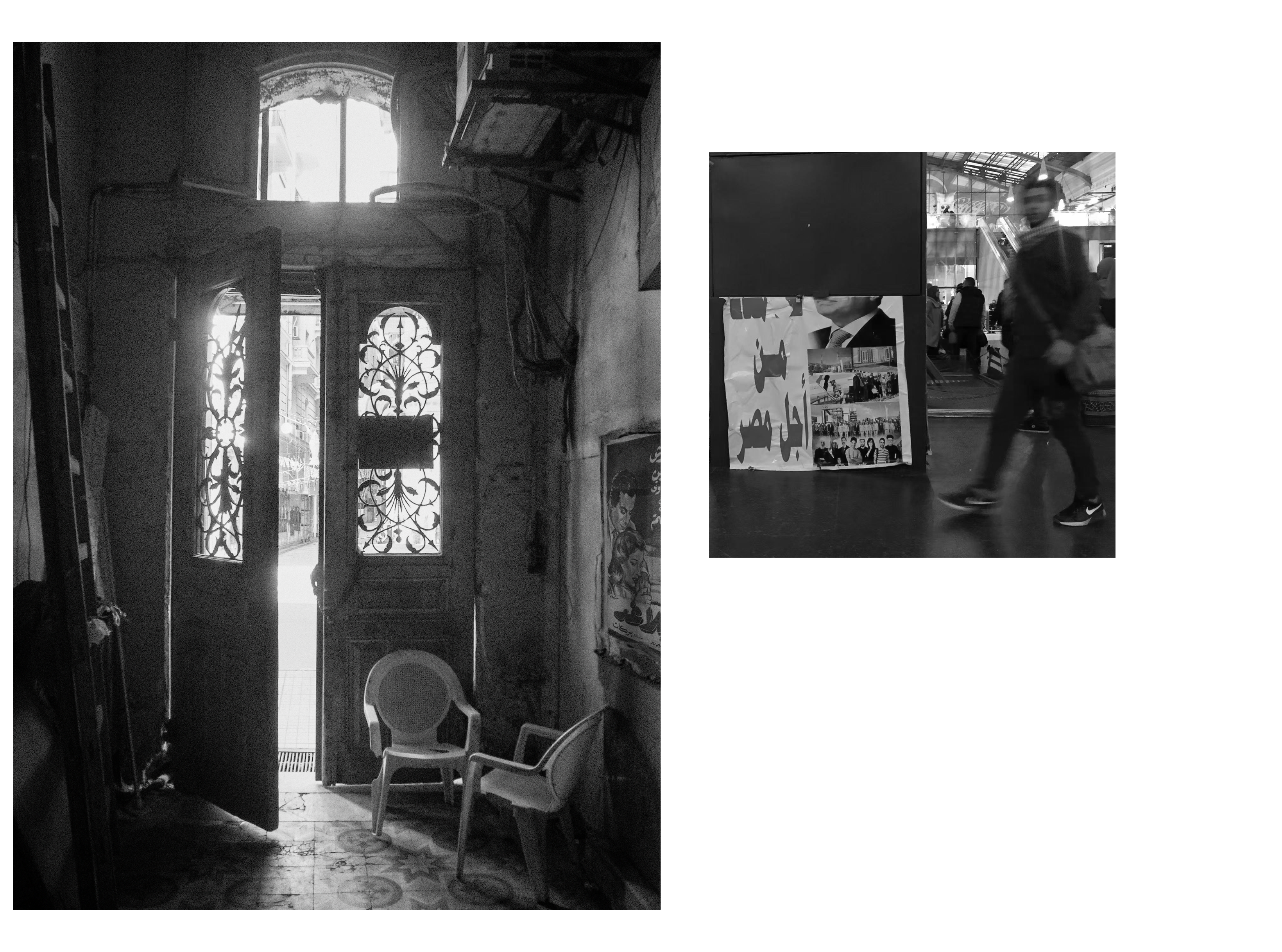
as in all areas, mastership and craftsmanship can be developed in design. each culture brings forth visual manifestations, from scripting as a millennia old tradition, to visual archetypes and mythological ideas. depending on the objectives, visual communication bases on a number of complex variables such as rhythm, proportions, weights and hierarchy as well as elements, metaphors and other parameters. to assess the quality, we can once more draw on rhetoric. roughly speaking, a poster—just as in rhetoric—can fulfill different visual tasks. these can be grouped in the following categories:
logos, the reason or content; ethos, the credibility of the representation; pathos, the conveyed emotion and value. so if a poster is meant to convey a very emotional message, it has to use a very original design in order to represent that message in the correct context or so that is not misunderstood.
the visual work needs to represent the sender and convey the message appropriately. with this template it is then possible to compare posters sensibly. only such a basis ensures a constructive discourse that goes beyond conjecture and opinions. it is necessary to speak about the visual influence, because it shapes cities and therefore contributes to emotions. also, social structures are reproduced through visual representations, i.e. sociological codes. a poster is therefore always subject to an objective. a representation can be very artistic when it is aimed at pathos and once it reaches a stage of mastership. here, 'artistic' describes a level of quality, which goes beyond the pure benefits of usage design. it serves as a guide for maximum performance within the visual discourse. it becomes impossible to make an ad-hoc, meaningful statement without differentiating the linguistic aspects and content. the difference is even more pronounced when we understand marketing as a technique to achieve incentives or opinions among the largest possible target group. the visual representation is then subjected to these two conditions, whereas poster design is committed to the message and expressiveness.
a quantitative and scientific assessment of a design's quality is difficult, as visual units are too complex to be easily determined; and then there are also cultural frameworks. therefore it is necessary to promote the linguistic tools for analysis, namely differentiation, classification, and quality standards. in this respect, design is not an artistic activity. art has no concrete objective and thus it can work with large margins for interpretation. design is much more a craft and intellectual work. the best works achieve a mastery of their skill, which is labeled as artistic based on the recognition it receives and the linguistic tradition it is based on. likewise, we describe impressive architecture or engineering services as craftsmanship. they all combine knowledge with practice to mastery, which goes beyond the mere fulfillment of a purpose. this visual or aesthetic perception belongs to design as a central aspect; it enthuses, motivates or draws our attention.
the search for a discourse in design and a confrontation with the visual promises to make for a better understanding of works by means of learning to recognize them. it then becomes possible to speak about quality that becomes visible and commonplace in urban areas. ultimately, it can act as a spur to improve the environment and to push forward the design works towards mastery.
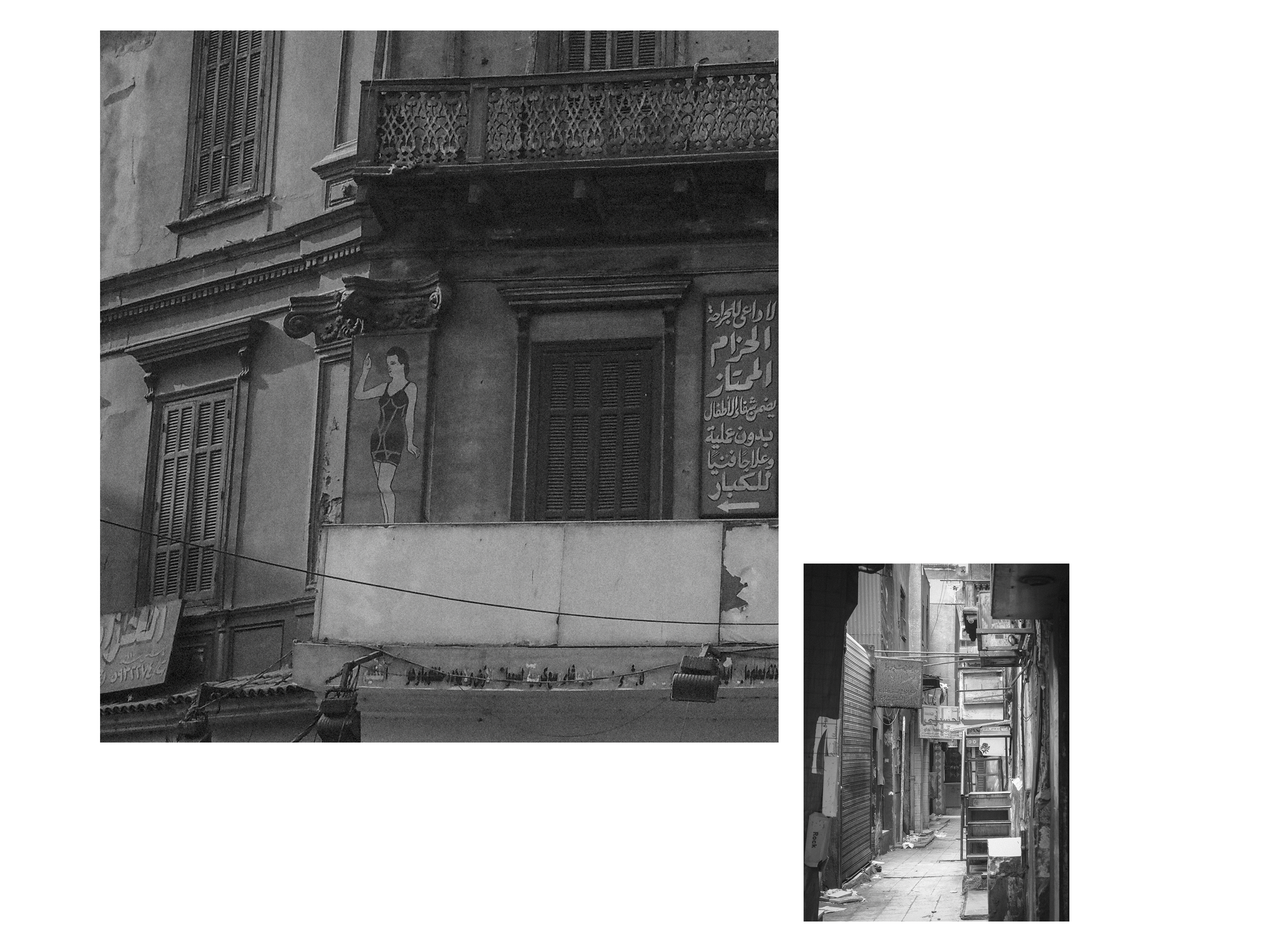

text: darius gondor, consultation by matthias tratz. photos: darius gondor
translation german into english by tanya quientieri
in high-density urban environments, visual communication serves as a fundamental structural element rather than mere decoration. the poster acts as a primary visual steering mechanism, actively shaping public perception, conveying complex societal values, and establishing urban identity. it is a critical interface where cultural paradigms and modern life intersect.
in stark contrast to purely interpretive and subjective art, this manifesto defines visual design as a rigorous intellectual craft. to establish an objective standard of quality, we systematically apply the classical principles of rhetoric—logos (reason and content), ethos (credibility and representation), and pathos (emotion and value)—to modern visual variables such as typography, proportions, and visual archetypes.
this methodological framework provides a precise analytical instrument to decode sociological codes within public spaces. by treating visual communication as a strategically governed discipline, it becomes possible to move beyond subjective conjecture. this approach transforms the poster from a simple medium of information brokerage into a measurable, precise instrument for governing urban identity and fostering a constructive discourse on visual mastery.
posters are media means in urban space. thus towns and areas of high population density cohabit similar or different cultures. these areas are fundamental for our modern life today. cultural values, views, opinions and rules conciliate in various ways. the most lasting variant to provide long term content is to carve it in stone. still today we can witness the masterpieces of egyptian kings in reliefs and monuments. such art represents the most important components of a culture. it focuses on preserving their values for posterity. a contemporary mean of communication in urban areas is the poster. it refers to topical and current issues. in their myriad forms, posters characterize the urban space. they give instructions and opinions, create incentives or provide information. as cultural quirks are influenced by visual parameters, content and quality standards are paramount.
when talking about posters, one is confronted with the challenge of speaking about something general on one hand, and something very specific on the other. a poster, in general, is a two-dimensional graphical surface. through the combination of typography, imagery and forms it becomes manifested as a visual means. the result is an intersection with art, which relies on the same or similar techniques and representations. we must therefore differentiate the term art. for the longest time, art was the technical and experimental pioneering instrument of the sciences. according to its previous use in illustrations of what was either real or imaginary, the role of art became the means to fathom perception, questioning life and society itself. modernism questions the benefits of art, which legitimated itself with the relation to morality or humanity and moved on to form a tense relationship with philosophy. contemporary art no longer holds the central role of controlling the visual culture. also, access to it has become more complex and often can only be understood through the recourse to the theory of art. it has become an intellectual or elitist game, which can primarily only be understood through art history and its characteristics—being all about interpretation. viewed like this, art is also subject to the cultural industry.
therefore, posters, as part of visual communications, base on certain rules and clearer objectives. they span between pure and sober information brokerage and artful and empathetic representation. for a better understanding, we can draw on the principles of rhetoric. this technique of oratory art was passed down in egypt, 2,000 years before our time, and was introduced to the western world by the greeks and romans in oration and architecture.
as in all areas, mastership and craftsmanship can be developed in design. each culture brings forth visual manifestations, from scripting as a millennia old tradition, to visual archetypes and mythological ideas. depending on the objectives, visual communication bases on a number of complex variables such as rhythm, proportions, weights and hierarchy as well as elements, metaphors and other parameters. to assess the quality, we can once more draw on rhetoric. roughly speaking, a poster—just as in rhetoric—can fulfill different visual tasks. these can be grouped in the following categories:
logos, the reason or content; ethos, the credibility of the representation; pathos, the conveyed emotion and value. so if a poster is meant to convey a very emotional message, it has to use a very original design in order to represent that message in the correct context or so that is not misunderstood.
the visual work needs to represent the sender and convey the message appropriately. with this template it is then possible to compare posters sensibly. only such a basis ensures a constructive discourse that goes beyond conjecture and opinions. it is necessary to speak about the visual influence, because it shapes cities and therefore contributes to emotions. also, social structures are reproduced through visual representations, i.e. sociological codes. a poster is therefore always subject to an objective. a representation can be very artistic when it is aimed at pathos and once it reaches a stage of mastership. here, 'artistic' describes a level of quality, which goes beyond the pure benefits of usage design. it serves as a guide for maximum performance within the visual discourse. it becomes impossible to make an ad-hoc, meaningful statement without differentiating the linguistic aspects and content. the difference is even more pronounced when we understand marketing as a technique to achieve incentives or opinions among the largest possible target group. the visual representation is then subjected to these two conditions, whereas poster design is committed to the message and expressiveness.
a quantitative and scientific assessment of a design's quality is difficult, as visual units are too complex to be easily determined; and then there are also cultural frameworks. therefore it is necessary to promote the linguistic tools for analysis, namely differentiation, classification, and quality standards. in this respect, design is not an artistic activity. art has no concrete objective and thus it can work with large margins for interpretation. design is much more a craft and intellectual work. the best works achieve a mastery of their skill, which is labeled as artistic based on the recognition it receives and the linguistic tradition it is based on. likewise, we describe impressive architecture or engineering services as craftsmanship. they all combine knowledge with practice to mastery, which goes beyond the mere fulfillment of a purpose. this visual or aesthetic perception belongs to design as a central aspect; it enthuses, motivates or draws our attention.
the search for a discourse in design and a confrontation with the visual promises to make for a better understanding of works by means of learning to recognize them. it then becomes possible to speak about quality that becomes visible and commonplace in urban areas. ultimately, it can act as a spur to improve the environment and to push forward the design works towards mastery.

spatial & cultural systems

spatial & cultural systems