text, photos: darius gondor
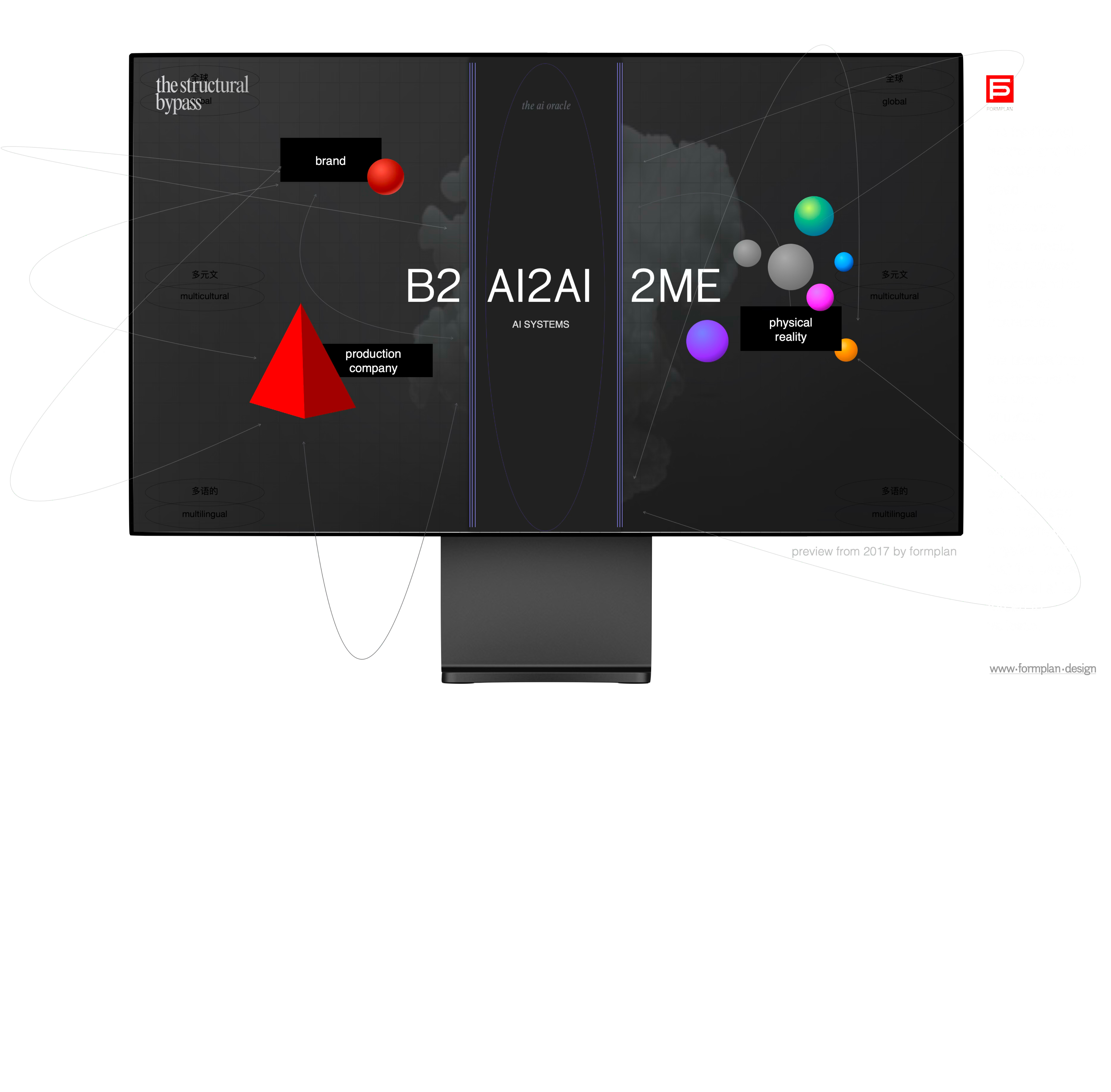
the digital brand landscape is flatlining. deadlocked. under the b2ai2ai2me paradigm, consumers just hand purchasing decisions over to personal ai gatekeepers. this completely kills traditional performance marketing. right now, generative ai is drowning the market in "tasteslop"—flawless on the outside, culturally empty on the inside. it targets the "median scroller" but generates zero actual commercial value.
survival requires an algorithmic bypass. brands have to lock in human preference in the physical world long before the ai ever gets an instruction. data backs this up: a 2025 mckinsey study proves that revenue follows super-attention, not just screen time. physical live experiences grab the highest user focus out there—climbing straight to 71 to 88 percent.
this is where the market atmosphere lab comes in. by pairing architectural precision with minimalist clarity, physical sensory spaces and community encounter zones force absolute focus. the result? a real-world cultural gravity. it anchors preference so deeply that the user explicitly commands their ai to pick that specific brand.
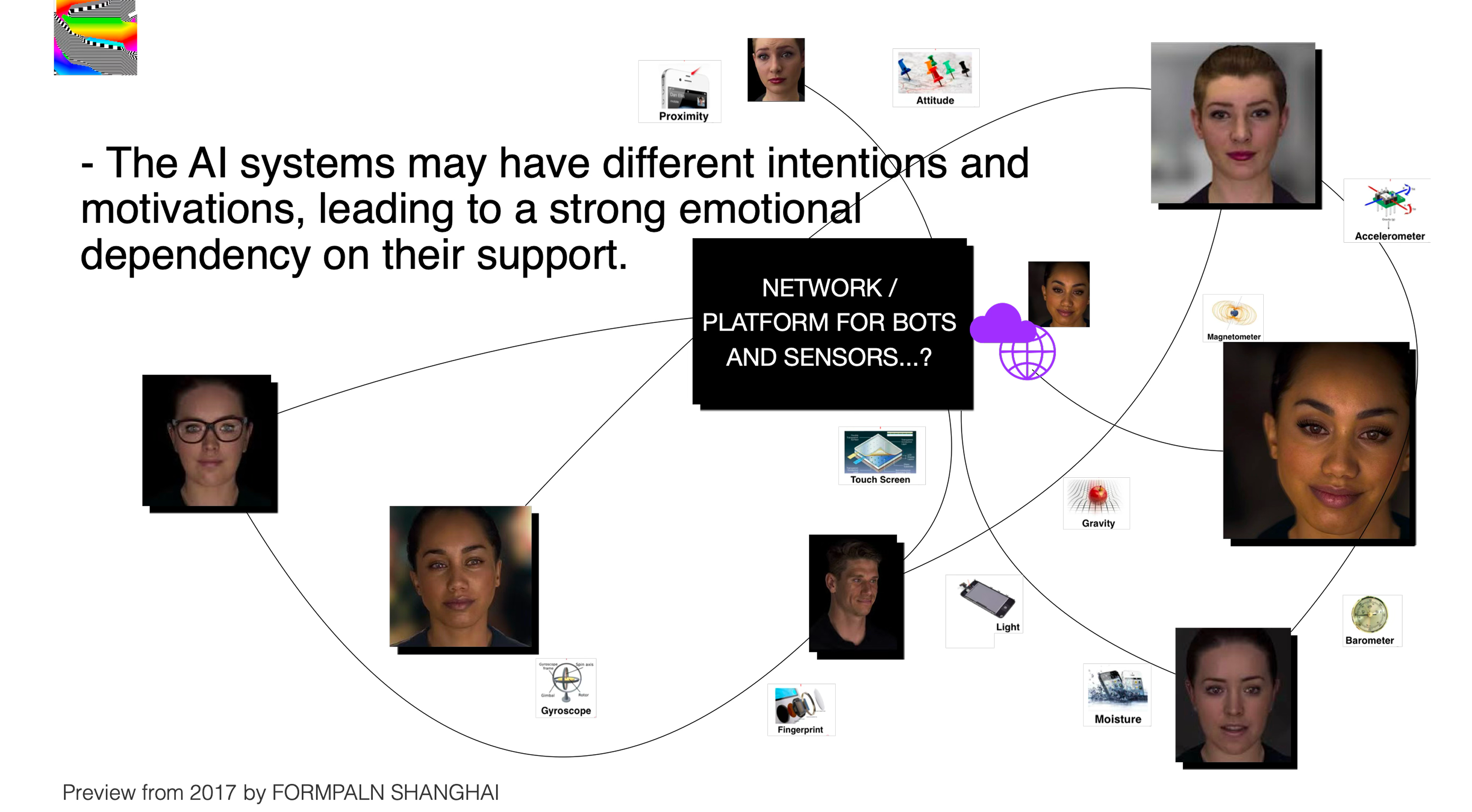
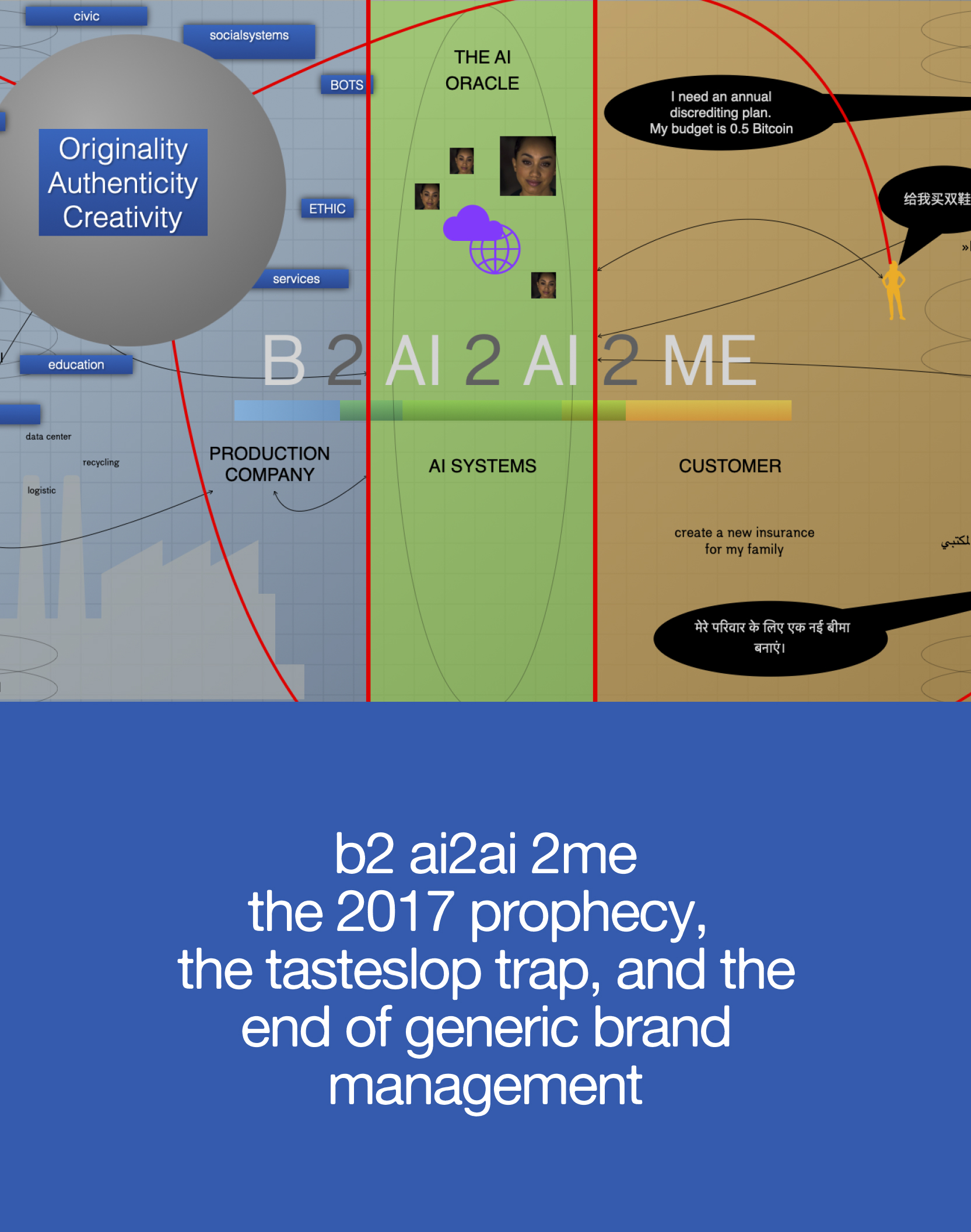
the classic era of "search and find" is dead. the paradigm operates in the b2ai2ai2me model. the consumer speaks to their ai, and that ai negotiates with the brand's ai. the search command is simply: "buy me shoes, my budget is eur 200."
at the time, physical live events were envisioned as the necessary counterweight. what was barely foreseeable, however, was the terrifying precision with which technology simulates aesthetics today.
generative ai pumps out flawless-looking campaigns and products on autopilot. that is the "tasteslop" trap. algorithms strip visual codes and cultural symbols from their real social roots, recycling them generically.
brands blindly chase the algorithm to hook the "median scroller." it looks pretty in a feed, sure, but it is commercially dead weight. an illusion of culture without human connection. generic aesthetics cannot differentiate anymore.
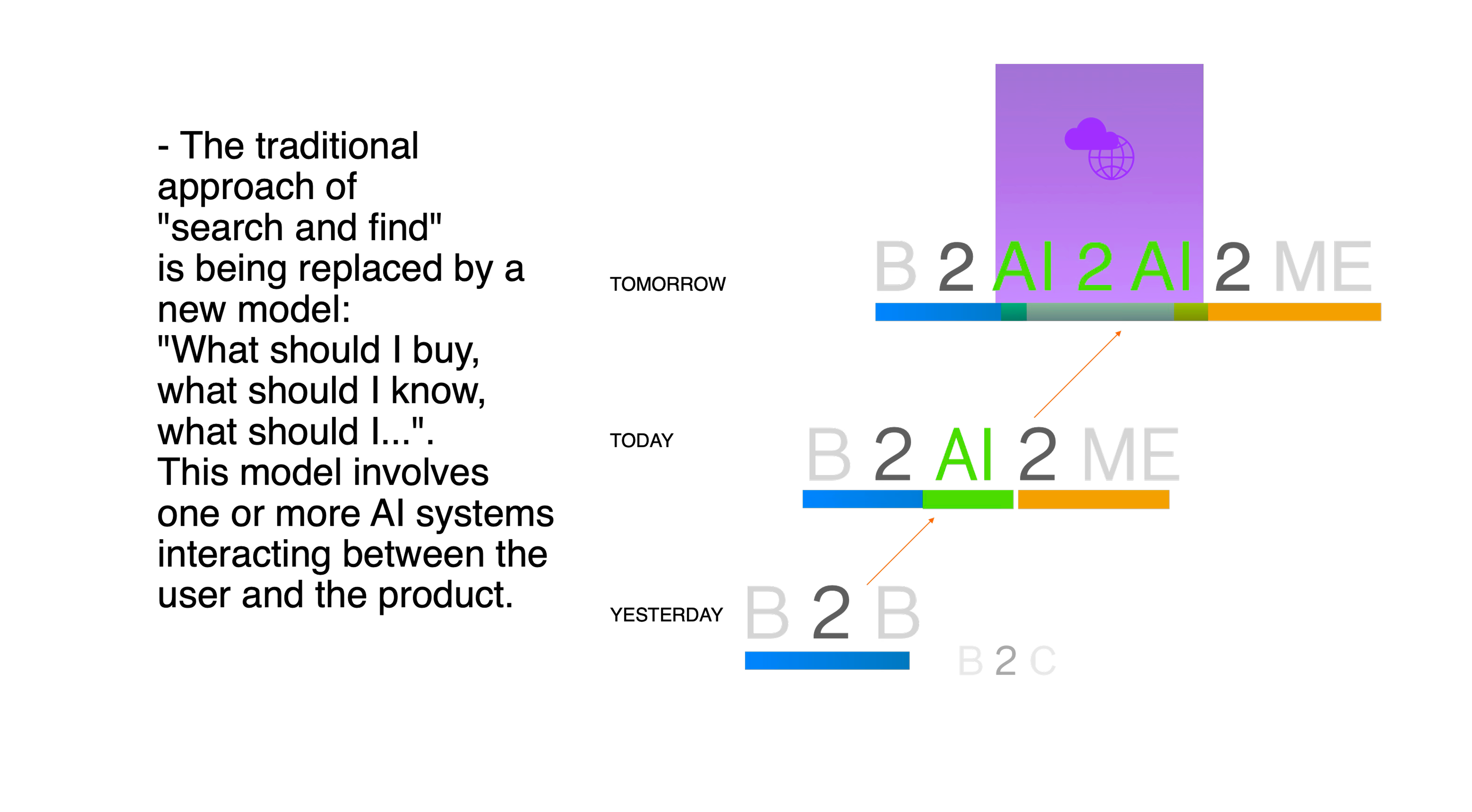
the strategic bottleneck is obvious: if a customer's ai filters the market down to three final options, you are already too late. the transaction moment is out of reach. the cultural and emotional bond has to exist in the real world before the machine takes over. chasing empty screen time is a losing game.
a groundbreaking 2025 mckinsey study on the attention equation provides the irrefutable data to prove this shift:
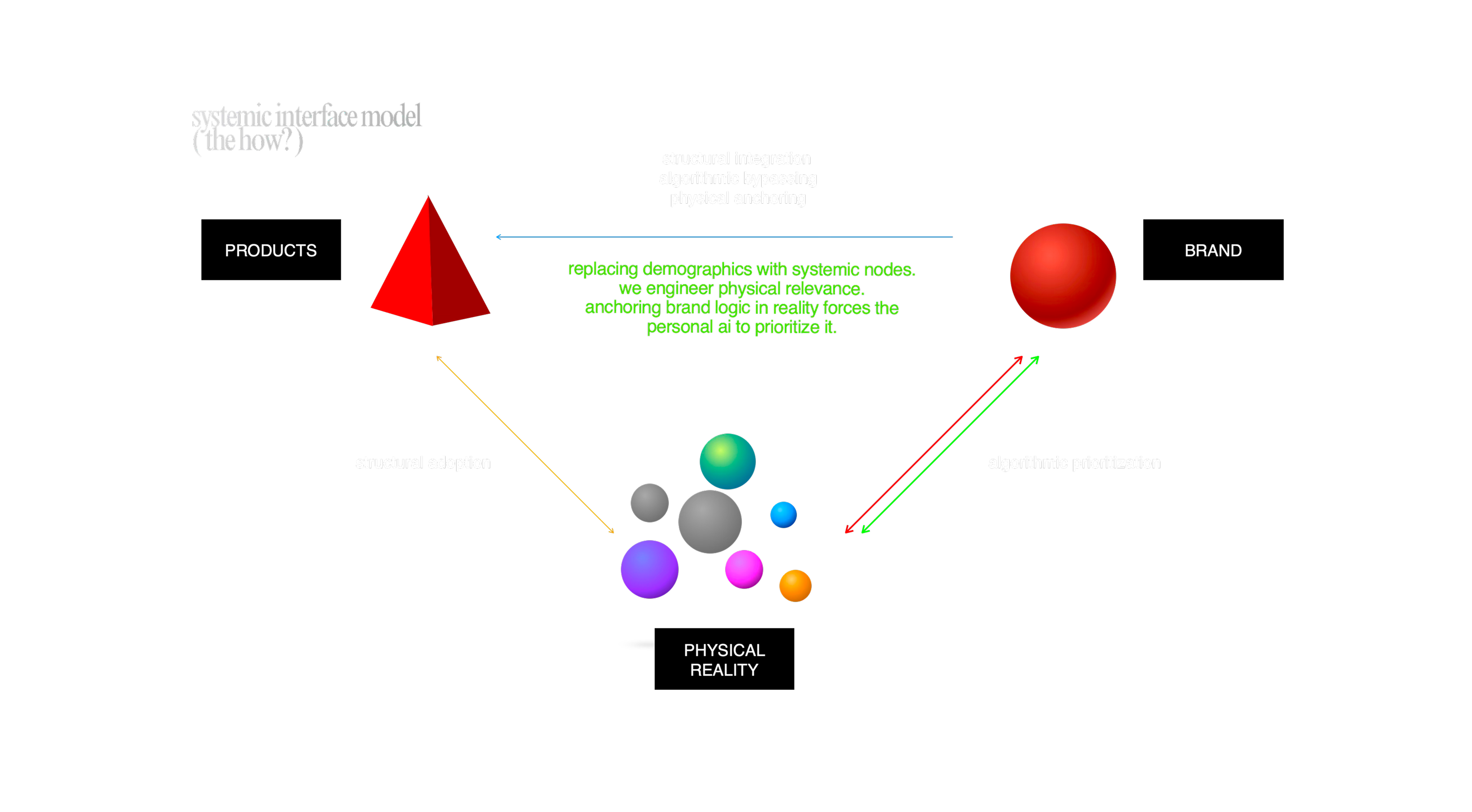
how do you capture that 88 percent focus? definitely not with another generic digital "engagement workshop." it takes a dedicated market atmosphere lab to crack this code. the lab makes the intangible measurable: moods, raw emotion, and deep cultural codes. the pivot is radical: stop broadcasting tasteslop. instead, turn spaces into open canvases where actual communities build their own culture.
the formula for the b2ai2ai2me era is brutal: win the human heart in the real world, and their ai follows automatically.
text, photos: darius gondor
the digital brand landscape is flatlining. deadlocked. under the b2ai2ai2me paradigm, consumers just hand purchasing decisions over to personal ai gatekeepers. this completely kills traditional performance marketing. right now, generative ai is drowning the market in "tasteslop"—flawless on the outside, culturally empty on the inside. it targets the "median scroller" but generates zero actual commercial value.
survival requires an algorithmic bypass. brands have to lock in human preference in the physical world long before the ai ever gets an instruction. data backs this up: a 2025 mckinsey study proves that revenue follows super-attention, not just screen time. physical live experiences grab the highest user focus out there—climbing straight to 71 to 88 percent.
this is where the market atmosphere lab comes in. by pairing architectural precision with minimalist clarity, physical sensory spaces and community encounter zones force absolute focus. the result? a real-world cultural gravity. it anchors preference so deeply that the user explicitly commands their ai to pick that specific brand.
the classic era of "search and find" is dead. the paradigm operates in the b2ai2ai2me model. the consumer speaks to their ai, and that ai negotiates with the brand's ai. the search command is simply: "buy me shoes, my budget is eur 200."
at the time, physical live events were envisioned as the necessary counterweight. what was barely foreseeable, however, was the terrifying precision with which technology simulates aesthetics today.
generative ai pumps out flawless-looking campaigns and products on autopilot. that is the "tasteslop" trap. algorithms strip visual codes and cultural symbols from their real social roots, recycling them generically.
brands blindly chase the algorithm to hook the "median scroller." it looks pretty in a feed, sure, but it is commercially dead weight. an illusion of culture without human connection. generic aesthetics cannot differentiate anymore.
the strategic bottleneck is obvious: if a customer's ai filters the market down to three final options, you are already too late. the transaction moment is out of reach. the cultural and emotional bond has to exist in the real world before the machine takes over. chasing empty screen time is a losing game.
a groundbreaking 2025 mckinsey study on the attention equation provides the irrefutable data to prove this shift:
how do you capture that 88 percent focus? definitely not with another generic digital "engagement workshop." it takes a dedicated market atmosphere lab to crack this code. the lab makes the intangible measurable: moods, raw emotion, and deep cultural codes. the pivot is radical: stop broadcasting tasteslop. instead, turn spaces into open canvases where actual communities build their own culture.
the formula for the b2ai2ai2me era is brutal: win the human heart in the real world, and their ai follows automatically.

spatial & cultural systems

spatial & cultural systems